How Do You Start an Eyewear Brand From Scratch? A Manufacturer’s Complete Guide for 2025?
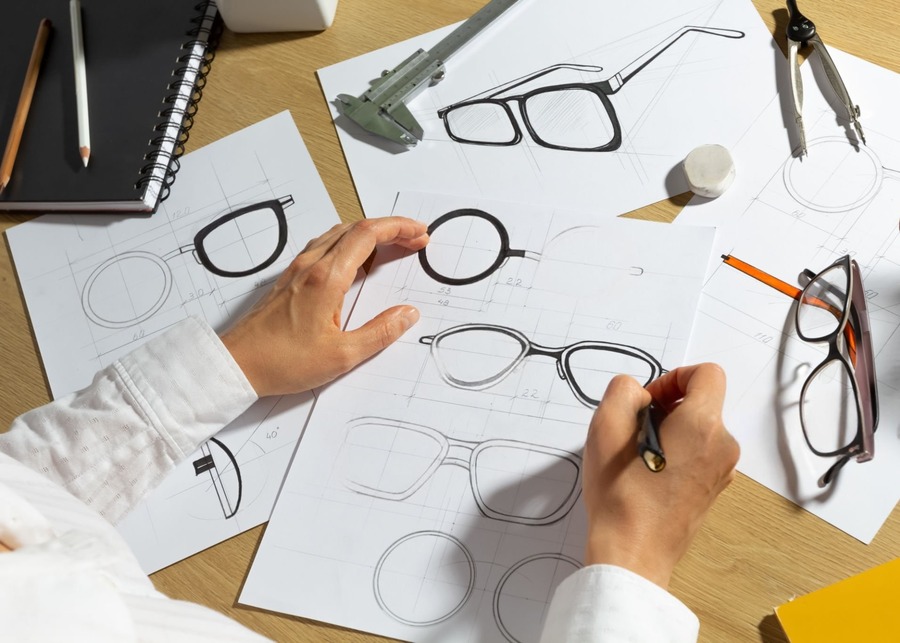
Dreaming of your own eyewear line but lost in the manufacturing maze? The gap between a design sketch and a market-ready product can feel huge and intimidating.
To start an eyewear brand, you must first define a unique niche and brand identity. Then, partner with an experienced manufacturer to translate your design concept into a manufacturable product, select appropriate materials, manage production costs, and plan for realistic timelines and minimum order quantities (MOQs).
I’ve seen countless entrepreneurs come to us with brilliant ideas. But I’ve also seen the confusion in their eyes when we start talking about production. Most guides tell you what to do. As a manufacturer that has helped launch hundreds of brands, this guide will show you how it’s actually done on the factory floor. This isn’t just theory; it’s a playbook built on our direct experience, made for ambitious brand builders like you. This guide will give you the clarity you need to move forward with confidence.
How Big Is the Eyewear Market and How Profitable Is the Business?
You see massive market numbers but wonder how they translate to your new brand. It’s easy to feel like a small fish in a billion-dollar ocean, unsure where to start.
The global eyewear market is worth over $150 billion, but true profitability comes from winning a specific niche. Your profit margin is engineered from the start through smart manufacturing choices, like selecting premium materials and value-adding lens coatings that justify a higher retail price.
It’s true, the global market numbers are huge. But your success isn’t about capturing the whole market. It’s about winning a profitable niche. Profitability isn’t just about high retail markups; it’s engineered right from the factory floor. The choices you make with your manufacturing partner directly build your profit margin. For example, choosing premium acetate over standard injection-molded plastic can justify a higher price point. Opting for anti-reflective or blue-light filtering coatings on your lenses immediately elevates their perceived value.
From our position as a global manufacturer, we see exactly where the growth is. It’s not just in traditional luxury. We’re seeing massive demand in specific segments that new brands can own in 2025. These include:
- Sustainable Eyewear: Using materials like bio-acetate or recycled metal.
- Performance Sports Glasses: Made from durable and flexible TR90.
- Specialized Office Eyewear: With advanced blue-light blocking for the digital workforce.
These are the areas where new brands can find their audience and thrive.
How much does it cost to start an eyewear brand?
You need a budget, but online guides give vague ranges like "$5,000 to $50,000." Without concrete numbers, planning feels impossible and risky. You need a clear breakdown of real-world costs.
The cost to start an eyewear brand involves several key expenses: one-time mold/tooling fees for custom designs, prototyping costs for samples, the per-unit cost based on materials, and custom packaging. A clear budget breakdown from your manufacturer is essential for financial planning.

Let’s break down the real costs you can expect. I believe in transparency because it builds a better partnership. When you work with a manufacturer, your budget will be split across a few key areas. Understanding these will give you control over your spending.
The Manufacturer’s Budget Breakdown
- Molds & Tooling: This is a one-time investment for truly unique designs. For injection-molded frames like TR90, a high-precision mold is non-negotiable. For acetate frames, the tooling is for cutting and shaping the material.
- Manufacturer’s Tip: You can eliminate this cost entirely at the start by using our existing "open-mold" styles. You still get to customize colors and branding.
- Prototyping & Sampling: Before you commit to hundreds of units, you need to hold your product. This fee covers creating 1-3 physical samples for you to approve the fit, color, and finish. It’s a critical step to avoid expensive mistakes.
- Cost Per Unit: This is the price for each pair of glasses. It’s influenced by materials (titanium costs more than acetate), design complexity, and lens choices (polarized lenses are more expensive than standard ones). We provide a clear cost structure so you know exactly what you’re paying for.
- Packaging & Accessories: Don’t forget the case, cleaning cloth, and box. This can range from $0.50 to over $5 per unit and directly impacts your brand’s unboxing experience.
Here is a sample cost structure to help you plan:
| Cost Item | Starter / Basic Range | Mid-Tier / Custom Range | Premium / Luxury Range |
|---|---|---|---|
| Molds & Tooling (One-Time) | $0 (Open-Mold) | $1,500 – $3,000 | $3,000+ |
| Prototyping (Per Style) | $150 – $300 | $300 – $500 | $500+ |
| Cost Per Unit (Frames) | $8 – $15 | $15 – $40 | $40 – $80+ |
| Packaging (Per Unit) | $0.50 – $1.50 | $1.50 – $4.00 | $4.00+ |
How do I start my own eyewear brand and define its unique identity?
You have a vision for your brand but don’t know the first practical step. Connecting your brand identity to actual product decisions is a common roadblock for new founders.
Start by defining your target niche—this dictates everything else. A sustainable brand needs bio-acetate, while a sports brand needs TR90. A good manufacturer acts as a partner, translating your brand identity into concrete material and design choices, creating a clear roadmap from concept to launch.
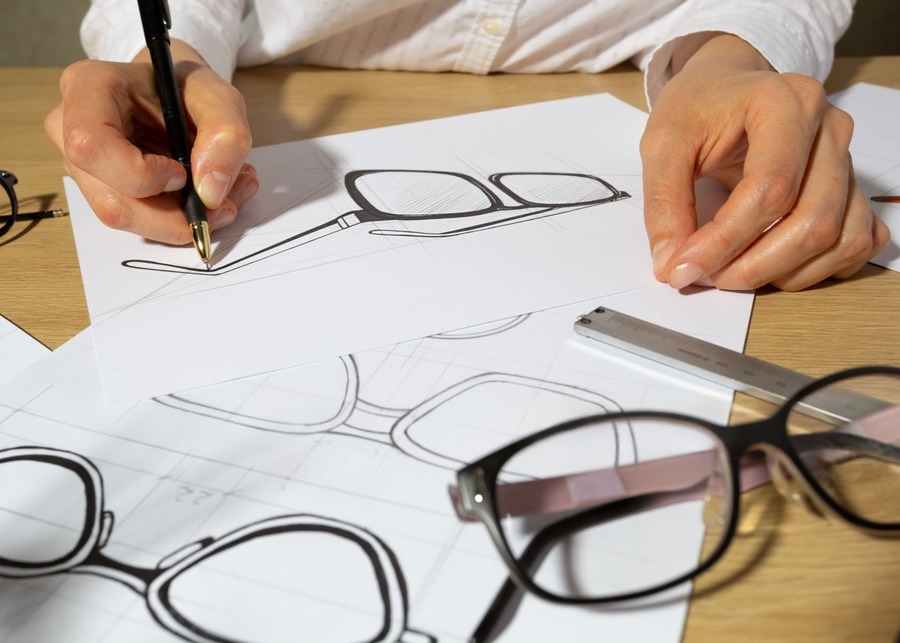
The most successful brands we’ve worked with don’t just sell glasses; they sell an identity. Your first step is to decide who you are selling to. Every decision after that becomes easier. We see our role as more than just a supplier; we are your manufacturing partner, helping you turn your brand vision into a physical reality.
Here’s how we map it out together:
The VISO Partnership Roadmap
-
Step 1: You Define Your Niche, We Help Define the Materials.
Your brand story starts here, and it directly influences the materials we use.- Your Vision: You want to launch a brand for eco-conscious consumers.
- Our Recommendation: We’ll introduce you to our certified bio-acetates and recycled metal options. We’ll show you how these materials feel and perform.
- Your Vision: You’re targeting extreme sports athletes.
- Our Recommendation: Let’s talk about the durability and flexibility of TR90 frames and impact-resistant polycarbonate lenses. We can build prototypes to test for performance.
-
Step 2: From Your Sketch to Our Technical Blueprint.
Once we know your niche and materials, we can start turning your creative ideas into a product that can actually be made. This is where your design meets our manufacturing expertise, which leads us to the next critical step.
How Do You Turn a Design Concept into a "Manufacturable" Product?
You have a great design, maybe even a beautiful sketch, but how does it become a real, physical product? This "black box" of manufacturing can be the most intimidating part of the process.
A design becomes manufacturable through a "Technical Package" or "Tech Pack." This document details exact dimensions, materials, color codes, and hinge types. Next, a physical prototype is created to test fit, weight, and feel, catching flaws before mass production begins.
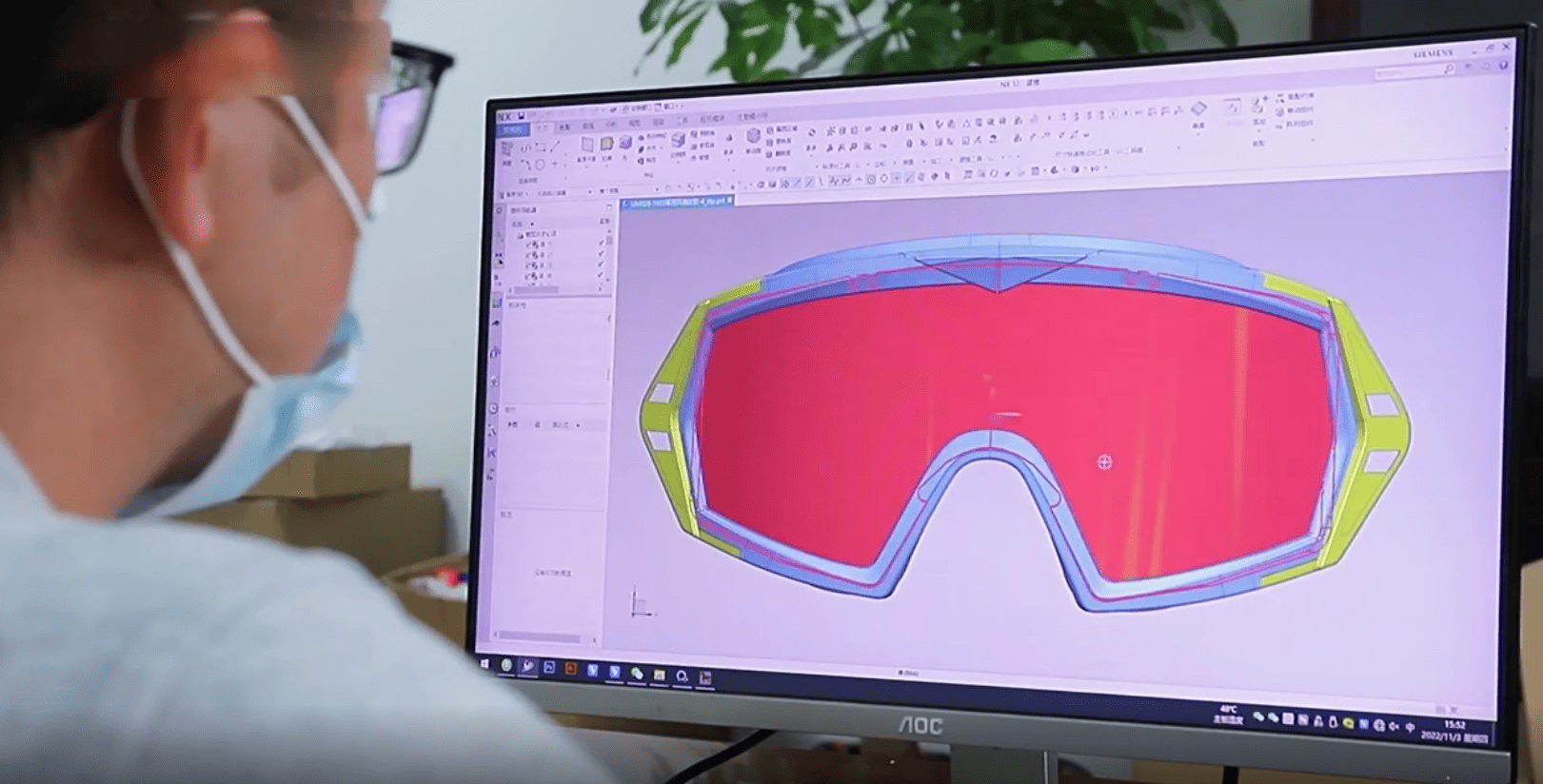
This is where we bridge the gap between your imagination and the production line. It’s a two-part process that ensures what you designed is exactly what you get.
The Journey from Napkin Sketch to Production Line
-
The "Tech Pack" is Everything. Your idea becomes real with a Technical Package. Think of it as the bible for your product. It’s a detailed document that leaves no room for error. It specifies everything:
- Dimensions: All measurements in millimeters, from lens width to temple length.
- Materials: The exact material, like ‘Mazzucchelli M49 Bio-Acetate’.
- Colors: Specific Pantone color codes for the frame and lenses.
- Hardware: The type of hinge, screws, and any metal cores.
- Branding: How your logo is applied (e.g., laser engraving vs. printing) and where it goes.
If this sounds overwhelming, don’t worry. Our engineering team works with you to create this document.
-
The Critical Role of the Prototype. A 3D computer render looks perfect, but can you actually wear it comfortably? The prototype answers this question. We create a physical sample to test weight distribution, the curve of the temples behind the ear, and the real-world ‘feel’ of the material. This is where we catch design flaws before they become a 1,000-unit mistake.
Which Materials Best Suit Your Brand’s Quality and Price Point?
Acetate, titanium, TR90… the choices are overwhelming. Picking the wrong material can mismatch your brand’s identity and price, leading to a product that doesn’t connect with your customers.
The best material depends on your brand’s target market and price. Acetate offers a premium, handcrafted feel for fashion brands. TR90 is lightweight and durable for activewear. Metal is classic and versatile, while titanium provides ultra-lightweight luxury. A material matrix can clarify these choices.
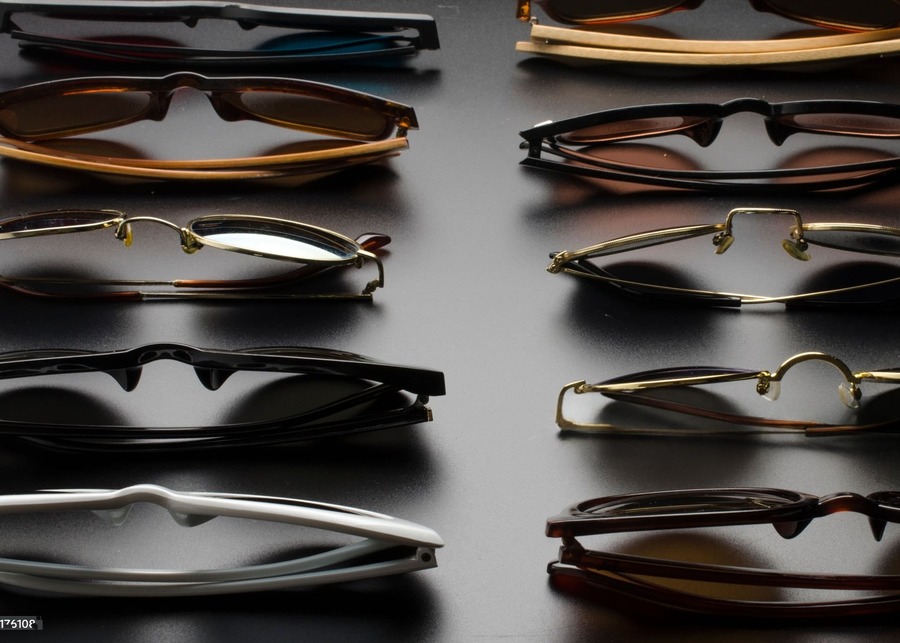
Choosing the right material is about matching the physical product to your brand’s promise. You wouldn’t build a rugged sports watch out of delicate crystal, and the same logic applies to eyewear. To make this easier, I’ve created a simple matrix based on the conversations we have with new brand owners every day.
Eyewear Material Matrix
| Material | Feel & Vibe | Best For (Market) | Price Point | Manufacturer’s Insight |
|---|---|---|---|---|
| Acetate | Premium, warm, substantial, artistic | Fashion, boutique, luxury, sustainable brands | $$ – $$$ | Allows for rich, layered colors and patterns that are impossible with injection molding. It has a handcrafted feel. |
| TR90 | Ultra-lightweight, flexible, durable, casual | Sports, activewear, children’s eyewear, everyday value | $ – $$ | Incredibly resilient and comfortable for all-day wear. It’s a performance material that offers great value. |
| Metal | Classic, sleek, minimalist, professional | Professional, minimalist, vintage-inspired brands | $$ – $$$ | Versatile and strong. We can achieve very thin and elegant profiles. IP plating ensures the color is durable. |
| Titanium | Ultra-premium, feather-light, strong, hypoallergenic | High-end luxury, tech, minimalist, medical-grade | $$$ – $$$$ | The ultimate material for comfort and strength. It’s a clear statement of quality and commands a premium price. |
Beyond the Frames: How Important are Custom Packaging and Accessories?
You’ve perfected the frames but overlooked the packaging. A cheap case or a flimsy box can instantly devalue your customer’s entire experience, undermining your brand’s premium feel.
Custom packaging is critical; it’s the first physical interaction a customer has with your brand. A quality case, cloth, and box complete the premium experience. Sourcing these separately is a logistical challenge, which is why an integrated, one-stop manufacturing partner is invaluable.
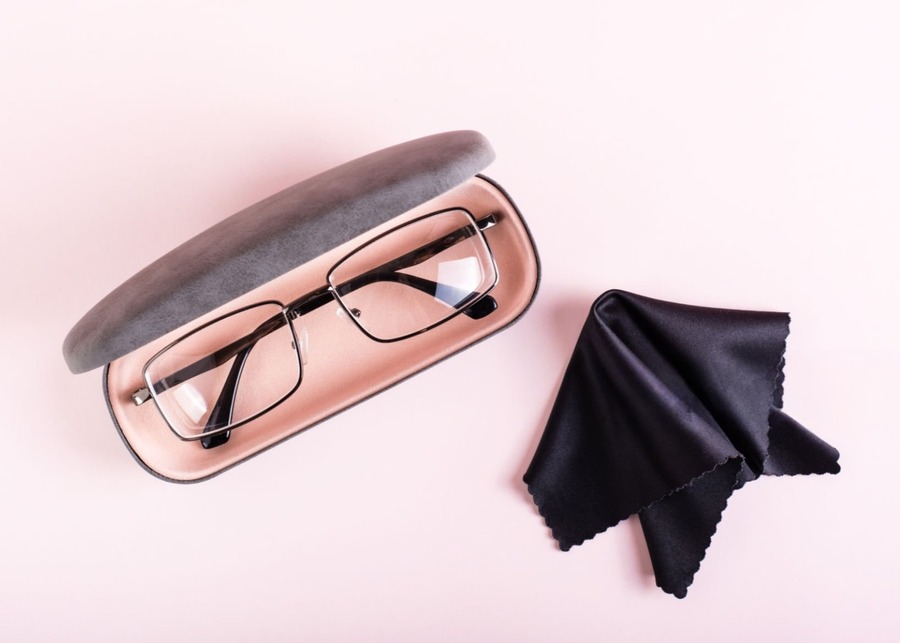
Your customer’s experience doesn’t end with the frames; it begins with the unboxing. A beautiful, premium frame can feel cheap if it arrives in a flimsy plastic bag or a generic case. We see packaging as the final, crucial stage of manufacturing.
For a new brand, sourcing cases from one vendor, cloths from another, and boxes from a third is a logistical nightmare. You have to manage three different suppliers, three timelines, and three sets of quality control. It’s a huge drain on your time and resources.
This is one of the hidden values of working with an integrated manufacturer like us. As your one-stop partner, we manage this entire ecosystem for you. We ensure the color of your cleaning cloth matches your brand guide, the logo on your case is perfect, and the quality of the box reflects the quality of the eyewear inside. This creates a cohesive brand experience and saves you from the headache of coordinating with multiple suppliers.
What Is a Realistic Timeline and Minimum Order Quantity (MOQ) for a New Brand?
You’re ready to launch, but timelines are vague and Minimum Order Quantities (MOQs) seem scary. The fear of high minimums and long waits can stop a new brand before it even starts.
A realistic timeline from design approval to shipment is typically 90-120 days. Standard MOQs are often 300-500 units per style/color, but flexible manufacturers offer solutions for new brands, like starting with lower quantities on existing "open-mold" designs to help you get to market successfully.
Let’s be transparent about two of the biggest questions every new brand asks.
A Realistic Production Timeline
From the moment you approve the final prototype, you can expect the full production process to take about 90 to 120 days. It’s not instant because quality takes time. Here’s a typical breakdown:
- Prototyping & Final Approval: 3-4 weeks
- Raw Material Sourcing: 2-3 weeks
- Mass Production & Quality Control: 6-8 weeks
- Final Assembly & Packaging: 1 week
Demystifying the MOQ
The Minimum Order Quantity, or MOQ, exists because setting up machinery, mixing custom colors, and sourcing raw materials has fixed costs. Our typical MOQ is 300-500 units per style, per color.
However, we understand that this can be a big hurdle for a new brand. Our goal is to build long-term partnerships, not just take a single order. That’s why we offer flexible solutions. We can discuss a plan that fits your budget and launch strategy. This could mean starting with a lower quantity on one of our proven "open-mold" designs or creating a curated launch collection that optimizes our production runs. The goal is to get you to market successfully.
Conclusion
Starting an eyewear brand is a journey of a thousand precise steps. You don’t have to walk it alone. Your best next step is to find one expert partner.