How Do We Design Eyewear Collections That Flatter Every Face Shape?

Designing one collection for countless faces is a huge risk. This can lead to high return rates, dead stock, and missed sales. We solve this with a systematic design process.
We design universally flattering eyewear by blending ergonomic data, market trends, and material science. Our process engineers frames that balance a wide range of facial structures, ensuring broader market appeal and reducing inventory risk for your brand.
This isn’t just about making pretty glasses. For us, it’s a science and a core business strategy that we use to help our partners succeed. It all starts with a deep understanding of why a "universal fit" approach is so important in today’s market. We’ve built our entire process around this idea because we know it’s what separates a good collection from a great one that sells. Let me walk you through how we do it.
Why is a ‘Universal Fit’ Strategy Crucial for Your Eyewear Brand’s Success?
High inventory costs and low sell-through rates hurt your bottom line. You might be losing money on unpopular styles and customer returns. A universal fit strategy directly tackles these issues.
A ‘universal fit’ strategy is vital because it reduces complex inventory, lowers return rates from poor fit, and increases sales conversions. It builds brand trust by consistently delivering a comfortable and flattering experience to more customers.
When we begin an eyewear collection development project, the first conversation is always about business goals. A collection that is engineered to fit a wider range of people isn’t just a design achievement; it’s a powerful business tool. For online brands, it’s a game-changer. When a customer feels confident a frame will likely fit them, the decision to buy becomes much easier and faster. This directly addresses one of the biggest hurdles in e-commerce: returns due to poor fit. By solving this at the design source, we help you protect your profit margins. Ultimately, a brand known for comfortable, well-fitting eyewear builds a loyal following. It tells your customers, "We understand you," creating a reputation that drives repeat business and positive word-of-mouth.
Optimizing Your Business Metrics
| Business Metric | How Our Universal Fit Strategy Helps |
|---|---|
| Inventory Risk | Reduces the number of SKUs needed to appeal to a broad audience, lowering the risk of unsold stock. |
| Sell-Through Rate | Increases buyer confidence, especially online, which leads to faster and more frequent purchase decisions. |
| Return Rates | Directly minimizes returns caused by "doesn’t fit" or "uncomfortable" issues by engineering a better fit from the start. |
| Brand Loyalty | Creates a reputation for reliable comfort and style, turning one-time buyers into loyal customers. |
What is VISO’s ‘Design-for-All’ Philosophy for Eyewear Collections?
Generic designs often fail to stand out or provide a good fit. Your brand can get lost in a sea of sameness, failing to connect with customers. Our ‘Design-for-All’ philosophy engineers solutions.
Our ‘Design-for-All’ philosophy rests on three pillars: ergonomic data from diverse populations, deep market trend analysis, and strategic material science. We don’t just design frames; we engineer solutions for faces.
This philosophy is our unique methodology, and it guides every private label eyewear design we undertake. It’s how we ensure our partners receive a collection that is both commercially viable and beautifully designed.
The Three Pillars of Our Philosophy
-
Ergonomic Data: We don’t rely on guesswork. Our design process is informed by extensive databases of global facial metrics. We analyze everything from head width and pupillary distance to the subtle variations in nose bridge height across different ethnicities. This data-driven approach is fundamental to how to design inclusive eyewear that offers a comfortable, secure fit for the widest possible audience.
-
Market Trend Analysis: A universal fit doesn’t mean a boring design. We constantly analyze market trends, runway styles, and consumer preferences. Our skill lies in blending these current trends with timeless, classic elements. This ensures the final collection feels fresh and modern while retaining a broad, lasting appeal.
-
Material Science Application: The material is part of the design. We strategically use the properties of different materials to achieve our goals. For example, we might use the flexibility of titanium to create a large yet lightweight frame, or the rich moldability of acetate to achieve a specific ergonomic contour.
How Do We Systematically Analyze Face Shapes for Collection Development?
Relying on basic "round" or "square" face shape categories is too simple. This often leads to fit issues that basic advice can’t solve. We use a data-driven, systematic analysis to go deeper.
We move beyond basic shapes by analyzing key facial metrics like Pupillary Distance (PD), Length to Bend, and Pantoscopic Tilt. This data-driven approach ensures our designs offer superior comfort and precise optical performance across different populations.
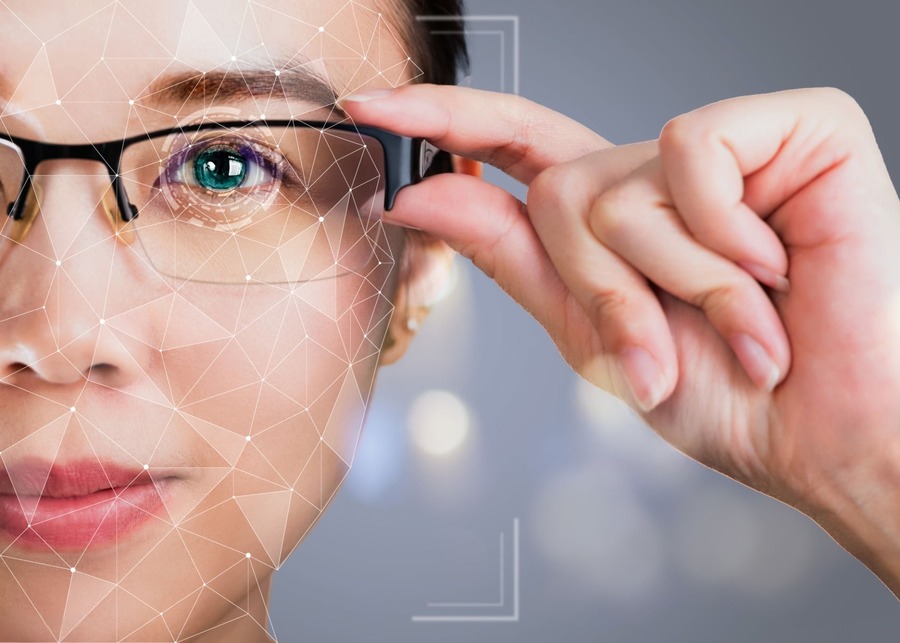
This is where we transition from designers to engineers. Our custom eyewear design process is built on a foundation of precise measurements, not just aesthetic observations. A frame that looks good but causes optical distortion or slides down the nose is a failed product. By focusing on these technical details, we ensure the final product delivers on its most important promise: clear and comfortable vision. For example, our analysis might reveal that a target market has, on average, a lower nose bridge. We then engineer the frame with a custom-built bridge or specific nose pads to solve this, ensuring a perfect fit from the very first sample. This systematic process removes guesswork and builds predictability and quality into your collection.
Moving Beyond Aesthetics to Engineering
| Key Facial Metric | Why It Matters for a Universal Fit |
|---|---|
| Pupillary Distance (PD) | Crucial for aligning the optical center of the lens with the pupil for maximum visual clarity. |
| Bridge Width & Height | Determines how the frame’s weight is distributed. Getting this right prevents slippage and discomfort. |
| Pantoscopic Tilt | The angle of the lens relative to the face. It’s critical for the proper function of progressive lenses. |
| Length to Bend | The distance from the hinge to where the temple curves over the ear. Essential for a secure, stable fit. |
How Do We Engineer Frames to Create Balance for Angular Faces (Square, Heart, Diamond)?
Angular faces can be a challenge to fit without looking too harsh. The wrong frame can exaggerate angles in an unflattering way. We use specific engineering techniques to soften and balance these features.
For angular faces, we engineer balance, not just style. We use softer lines to soften square jaws, add visual weight to the lower rim for heart shapes, and use uplifting browlines for diamond faces to create harmony.
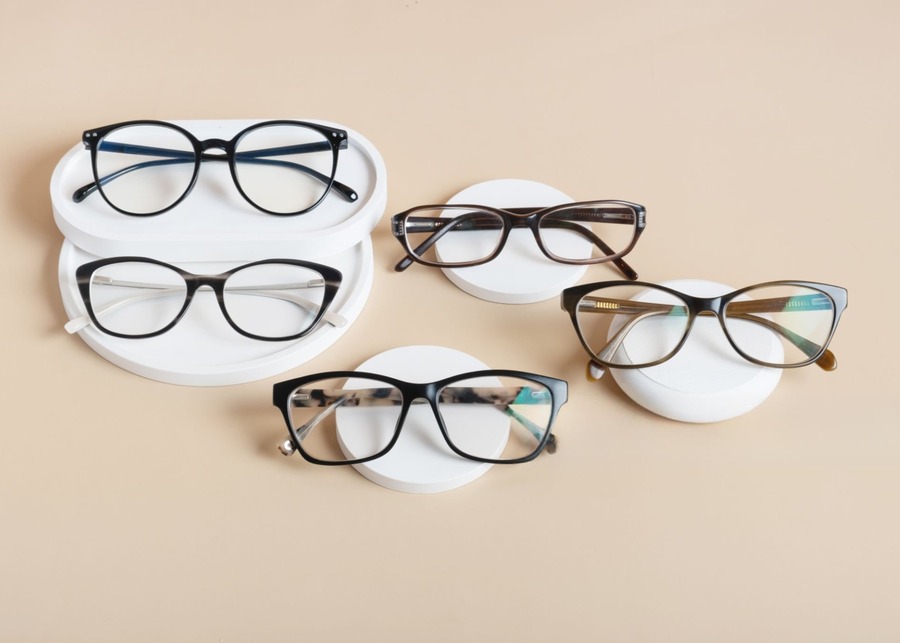
Our approach is guided by fundamental eyewear design principles that focus on creating harmony and balance. We see a face’s unique structure as a canvas, and our job is to create a frame that complements it perfectly. We don’t just place a round frame on a square face; we analyze the specific angles and proportions to determine the exact curvature and line thickness needed to create a sense of softness. This is a technical process. For us, every curve, every line, and every angle in the frame is a deliberate choice made to achieve a specific visual and ergonomic outcome for your customer.
Engineering Harmony for Angular Structures
- For Square Faces: The goal is to soften strong jawlines and angular foreheads. We achieve this by engineering frames with softer, rounded corners and gentle, uplifting browlines. We ensure the frame’s vertical lines are thinner to avoid adding bulk, creating a subtle contrast that softens the face’s overall structure.
- For Heart Faces: This shape features a wider forehead and a narrower chin. To create balance, we engineer frames that draw attention downward. This can be achieved with designs that have more detail or weight on the lower half, such as a subtle cat-eye drop or a frame with a lighter color on top and a darker color on the bottom.
- For Diamond Faces: Characterized by prominent cheekbones, our goal is to highlight this feature. We engineer frames with distinctive browlines, like a classic clubmaster or an elegant cat-eye, to draw the eye upward. We make the frame slightly wider than the cheekbones to ensure the proportions are balanced and harmonious.
What Design Techniques Do We Use to Add Definition to Softer Faces (Round, Oval)?
Softer face shapes, like round and oval, can sometimes lack definition. The wrong pair of glasses can make a round face look even rounder. We use specific design techniques to add structure and angles.
To add definition to softer faces, we use structured, angular frames like rectangles to visually lengthen a round face. We also use technical details like high temple mounts and clear bridges to create angles and break up roundness.
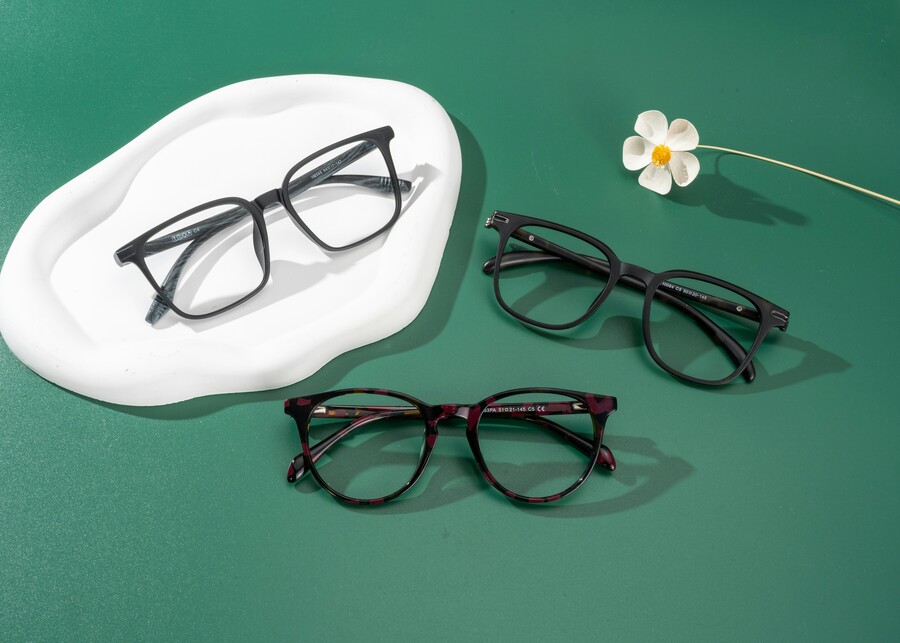
Our glasses for different face shapes analysis goes beyond simple recommendations. For softer face shapes, our engineering goal is to introduce structure where it’s naturally absent. We don’t just suggest a square frame for a round face; we consider the precise width-to-height ratio of the frame to create the most effective lengthening illusion. We also use subtle but powerful techniques that many overlook. For instance, mounting the temples higher up on the frame can create a lifting effect. Using a transparent material for the bridge makes the two lenses appear as separate entities, which helps to break up the single, round curve of the face. For oval faces, which are very versatile, we see an opportunity. We can maintain their natural balance with proportional frames or use them as a canvas for more daring designs, giving your brand a chance to showcase its unique style.
Creating Structure for Softer Contours
- For Round Faces: The primary objective is to add length and angles. We engineer rectangular or square frames that are wider than they are tall. This contrast breaks the soft curves of the face and creates a slimming, elongating effect.
- For Oval Faces: Often considered the "universal" face shape, our goal is to maintain its natural balance. We typically design frames that are as wide as or slightly wider than the broadest part of the face. Because this shape is so versatile, it provides the perfect opportunity for your brand to experiment with more unique colors, textures, and shapes, knowing the underlying facial harmony will support them.
What Role Do Materials Like Acetate, TR90, Titanium, and Metal Play in Universal Design?
You might think that the shape of the frame is everything. But the material itself can make or break the fit, comfort, and even the style. We strategically select materials to enhance our universal design goals.
Materials are a key tool in our universal design process. Acetate offers color and adjustability, TR90 provides durability and flexibility, Titanium gives lightness, and metal allows for thin, precise lines and maximum adjustability.
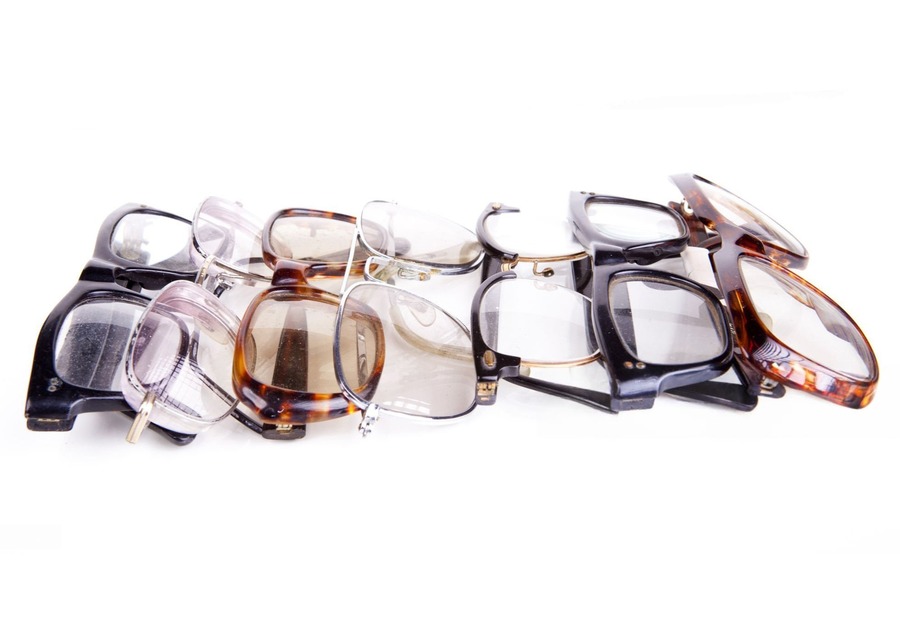
Understanding eyewear materials and face shape is critical. For us, material selection is not an afterthought; it’s an integral part of the engineering process. The choice of material directly impacts the frame’s weight, flexibility, and aesthetic. A design that looks great as a thin metal frame might be too heavy if made from acetate. We leverage our deep knowledge of material properties to push the boundaries of design. This allows us to create wholesale eyewear collections that are not only stylish but also comfortable and durable. Our expertise ensures that the material works in harmony with the design to create the best possible product for your customer.
Material Science as a Design Tool
- Acetate: This is our go-to for rich color and adjustability. Its ability to be produced in endless colors and patterns allows us to use color to flatter facial features. Importantly, acetate can be gently heated and molded by an optician for a truly customized fit.
- TR90: This is our champion of flexibility and durability. TR90 is an incredibly resilient and lightweight thermoplastic. It can bend under pressure and return to its original shape, making it perfect for active individuals or for anyone who is tough on their glasses. This inherent flexibility means it can comfortably adapt to a wider range of head sizes, making it a cornerstone of universal design.
- Titanium: The key words here are “lightweight” and “resilience”. Titanium is incredibly strong yet weighs almost nothing. This allows us to design larger, more expressive frames that remain comfortable for all-day wear. Its inherent flexibility and hypoallergenic properties also provide a snug, gentle fit for a wider range of people.
- Metal (Stainless Steel/Monel): Metal is perfect for creating minimalist, precise, and elegant designs. Its strength allows us to engineer incredibly thin profiles, which are ideal for frames that need to be subtle. Furthermore, metal nose pad arms offer the highest degree of adjustability, ensuring a perfect fit on almost any nose bridge.
How Can Adjustable Components Like Nose Pads and Temple Tips Achieve a Truly Custom Fit?
A frame can look perfect on the shelf but feel terrible on the face. If it constantly slides down the nose or pinches the head, it will be returned. We focus on adjustable components to achieve a truly custom fit.
We achieve a truly custom fit by engineering adjustable components. Moldable temple tips with a metal core grip securely behind the ear, while adjustable nose pad arms ensure the frame sits perfectly on any nose bridge.
The secret to a truly universal fit glasses design is in the small details. These components are where the frame makes contact with the wearer, and they are critical for long-term comfort. As an eyewear manufacturer for startups and established brands alike, we know that these details build customer loyalty. A customer may not know why their glasses are so comfortable, but they will remember the brand that provided them. We embed adjustability into our designs from the ground up. We specify temple tips with strong yet pliable metal cores and use high-quality, screw-in nose pad systems that can be easily adjusted or replaced by any optician. This focus on micro-engineering is what elevates a good frame to a great one.
The Engineering of Perfect Comfort
- Adjustable Nose Pads: We don’t just add nose pads; we engineer a system. We offer various materials (like soft silicone) and shapes to suit different sensitivities and nose bridge structures. The metal arms they are attached to can be carefully bent in any direction to adjust the height and width, ensuring the glasses sit at the correct optical height and don’t leave marks.
- Moldable Temple Tips: The end of the temple arm is one of the most important points of contact. We embed a metal core inside our acetate or TR90 temple tips. This allows an optician—or even the user—to bend the tip to perfectly match the curve behind their ear, preventing slippage and relieving pressure.
- Spring Hinges: For many of our designs, we incorporate high-quality spring hinges. These allow the temples to flex outward slightly beyond the standard 90-degree angle. This small amount of give allows the frame to adapt to different head widths, providing a secure "hugging" fit instead of an uncomfortable "pinching" one.
How Does Our OEM/ODM Process Turn Your Vision into a Market-Ready, Face-Flattering Collection?
You have a vision for your brand, but turning it into a successful product line is complex. You need a partner who understands both design and manufacturing. Our process is designed to guide you every step of the way.
Our collaborative OEM/ODM process transforms your idea into a market-ready collection. We guide you from strategic consultation and design all the way through to prototyping, precision manufacturing, and quality control, ensuring a perfect final product.
We act as an extension of your team. From the moment you contact us, our goal is to understand your brand, your target market, and your vision. As a dedicated OEM eyewear manufacturer, we then apply all the principles we’ve discussed—universal fit, material science, and engineering—to bring that vision to life. We believe in partnership, which means clear communication and collaboration at every stage. You’re not just placing an order; you’re co-creating a product line with a team of experts. We handle the technical complexities so you can focus on building your brand, confident that the product you receive is expertly designed, masterfully crafted, and ready to win over your customers.
Our Collaborative Path to Production
- Step 1: Strategic Consultation: We start by listening to your brand goals and market needs.
- Step 2: Concept Design & Face-Shape Matching: Our designers create concepts that align with your vision and our universal fit philosophy.
- Step 3: Engineering & 3D Modeling: We turn designs into precise technical drawings and 3D models for your review.
- Step 4: Rapid Prototyping & Feedback: You receive physical samples to test for fit, feel, and finish.
- Step 5: Precision Manufacturing & Quality Control: We begin full-scale production, with rigorous quality checks at every step.
What Makes VISO’s One-Stop Sourcing Service the Smartest Way to Build a Diverse Eyewear Portfolio?
Building a diverse product line can mean dealing with dozens of suppliers. This creates logistical headaches, inconsistent quality, and wasted time. There is a much smarter and more efficient way to operate.
Our one-stop sourcing service simplifies everything. We provide access to a comprehensive portfolio of frames, lenses, and accessories, all managed through a single point of contact, ensuring consistent quality and competitive pricing.
Imagine having a strategic partner who can supply everything you need. That’s the power of our one-stop service. Whether you need to quickly launch a collection from our market-tested wholesale eyewear collections or need to source specific components like lenses, cases, or even repair tools, we are your central hub. This integrated approach saves you invaluable time and money. Instead of juggling multiple contacts and quality standards, you have one trusted partner dedicated to your success. This allows you to be more agile, respond to market trends faster, and build a diverse, high-quality product portfolio with unparalleled efficiency. For large retailers, optical chains, and growing e-commerce brands, this service is not just a convenience—it’s a powerful competitive advantage.
Conclusion
We combine ergonomic data, material science, and engineering principles to create eyewear collections that are not just beautiful, but also commercially successful for our partners around the world.