
A Complete Manufacturer’s Guide to Eyewear Frame Materials

Your customers see a fashion accessory. You see profit margins, production timelines, and tooling costs. This guide speaks your language, offering a manufacturer’s perspective for the brand builder and strategic sourcer.
Choosing the right eyewear frame material is a critical business decision that directly impacts your brand’s positioning, target market, manufacturing costs, and profit margins. It’s about balancing aesthetic goals with production realities to create a commercially successful product.
This is not another consumer guide about which frames feel nice. As a vertically integrated manufacturer, we live and breathe the complexities of turning raw materials into bestselling eyewear collections. We understand that your choice of acetate versus titanium is a strategic decision that shapes your entire business, from tooling costs to the story your brand tells. This guide is our expertise, shared directly with you. We will walk you through the technical details, production trade-offs, and market positioning for the industry’s most important materials. Let’s get started.
Why Your Choice of Frame Material is a Critical Business Decision?
Choosing a material feels like a design choice, but it’s really a business strategy. The wrong material can lead to high costs, production delays, and a product that misses its target market.
Your material choice dictates your brand’s identity, target customer, and profit potential. It influences everything from manufacturing complexity and cost to durability, which affects your long-term customer satisfaction and return rates.
Think of it this way. A premium acetate frame tells a story of craftsmanship and fashion, attracting a high-end clientele willing to pay more. This choice allows for higher profit margins but requires a longer, more complex manufacturing process. On the other hand, a TR90 frame speaks to a customer who values durability and performance, like athletes or parents buying for their children. This material allows for efficient, high-volume production, ideal for a different market segment. Choosing titanium positions your brand in the luxury or tech space, justifying a premium price with its lightweight, hypoallergenic properties. Your decision directly impacts your supply chain, your marketing message, and ultimately, your brand’s success in a crowded market.
What Are the Main Types of Eyewear Frames Materials in the Market?
The world of frame materials can seem overwhelming. With so many options, it’s hard to know which one aligns with your brand’s vision and budget, creating analysis paralysis for many brands.
Eyewear frame materials are broadly divided into two main categories: premium plastics, known for their vibrant colors and design flexibility, and high-performance metals, celebrated for their strength, lightness, and sleek aesthetics.

This simple classification helps organize your thinking. Within each category, you’ll find a range of materials with unique properties, costs, and manufacturing requirements. Understanding these two core families is the first step toward making an informed decision. It allows you to define the general look and feel of your collection before diving into the specific pros and cons of individual materials like Acetate, TR90, Titanium, or Stainless Steel. At VISO, we have deep expertise across both categories, and we guide our partners through this selection process every day. We will explore the champions of each category next.
Premium Plastics: The Champions of Color and Style
Plastics offer incredible versatility. The most famous is cellulose acetate, but other advanced polymers like TR90 and ULTEM (PEI) provide unique benefits. "Premium" is the key word here; we are not talking about the cheap, brittle plastics found in disposable glasses. We mean high-grade polymers engineered for optics, offering rich colors, durability, and a lightweight feel. These materials are the go-to for fashion-forward brands that want to make a statement. The ability to create custom colors and embed patterns directly into the material itself gives designers unparalleled creative freedom.
High-Performance Metals: The Fusion of Strength and Elegance
Metal frames communicate sophistication, durability, and a minimalist aesthetic. The category is led by Titanium, the benchmark for luxury and performance due to its incredible strength-to-weight ratio and hypoallergenic nature. Stainless steel offers a fantastic balance of style and affordability, making it a workhorse for modern, industrial-inspired designs. We also work with materials like aluminum, prized for its lightness and unique finishing possibilities, and specialty alloys like Monel. These materials require precise manufacturing techniques like laser welding and advanced plating, resulting in slim, resilient, and elegant eyewear.
Acetate: Why Is It the Gold Standard for Premium Fashion Frames?
You want to create a high-end, fashion-forward eyewear line but aren’t sure which material delivers that premium feel. Many plastics look cheap, failing to justify a higher price point for your brand.
Cellulose acetate is the gold standard because it offers unmatched color depth, a luxurious feel, and a story of craftsmanship. It’s a plant-based plastic, giving it a warmth and richness that injection-molded plastics cannot replicate.
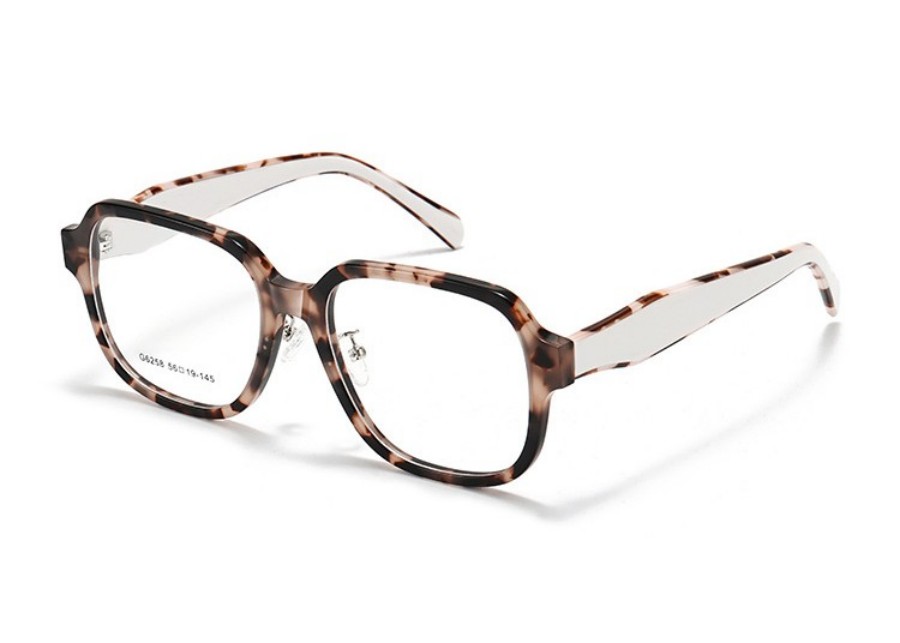
Acetate’s reputation is built on its unique manufacturing process. Unlike basic plastics that are injected into a mold, acetate frames are carved from large, layered blocks or sheets, often from renowned suppliers like Italy’s Mazzucchelli. This process is more art than simple production. It allows for the creation of deep, multi-dimensional colors and patterns like tortoise and Havana that are impossible to achieve otherwise. The material is then tumbled in wood chips for up to 120 hours and hand-polished to achieve its signature deep gloss and seamless finish. This labor-intensive process is what gives acetate its premium handmade feel, making it the top choice for designer brands who want to tell a story of quality and heritage.
What manufacturing techniques make acetate colors so unique?
The secret to acetate’s vibrant, unique coloration lies in its origin as a block material, not a liquid. We start with sheets of cellulose acetate, which is derived from cotton and wood pulp. To create custom patterns, different colored sheets are layered and fused together through a process called lamination. This block is then cured for weeks. We then use precision CNC (Computer Numerical Control) machines to mill the exact frame shape from this solid block. This cutting process reveals the intricate, layered patterns inside, meaning no two frames are exactly alike. This is fundamentally different from injection molding, where melted plastic is shot into a mold, resulting in a single, flat color. The CNC process allows for sharper lines and more detailed designs.
What are the pros and cons of acetate for an ODM/OEM project?
From a B2B perspective, acetate is a powerful tool for brand building.
| Pros | Cons |
|---|---|
| Unmatched Aesthetics: Top-tier look and feel justifies a premium price. | Higher Unit Cost: Raw material and labor-intensive process increase cost. |
| Design Freedom: Rich, unique colors and patterns are possible. | Longer Production Cycle: Curing and polishing stages add weeks to lead times. |
| Brand Story: "Handmade" and "plant-based" are strong marketing points. | Design Limitations: Not ideal for ultra-thin or extremely flexible designs. |
| Adjustable: Can be heat-adjusted by opticians for a custom fit. | Higher Skill Requirement: Requires skilled artisans for proper polishing and finishing. |
For an OEM/ODM project, acetate is perfect for a brand focused on quality over quantity. It allows for small-batch, high-value production runs. The primary drawbacks are the higher cost and longer lead times, which must be factored into your business plan.
TR90: What Makes it a Top Choice for Lightweight & Durable Eyewear?
Your brand targets active lifestyles or children, and you need a material that can withstand drops and bends. Traditional materials are often too rigid or heavy, leading to discomfort and breakage.
TR90 is a high-performance thermoplastic famous for its incredible flexibility, durability, and feather-light weight. It’s a memory polymer, meaning it can bend under pressure and return to its original shape, making it virtually indestructible.
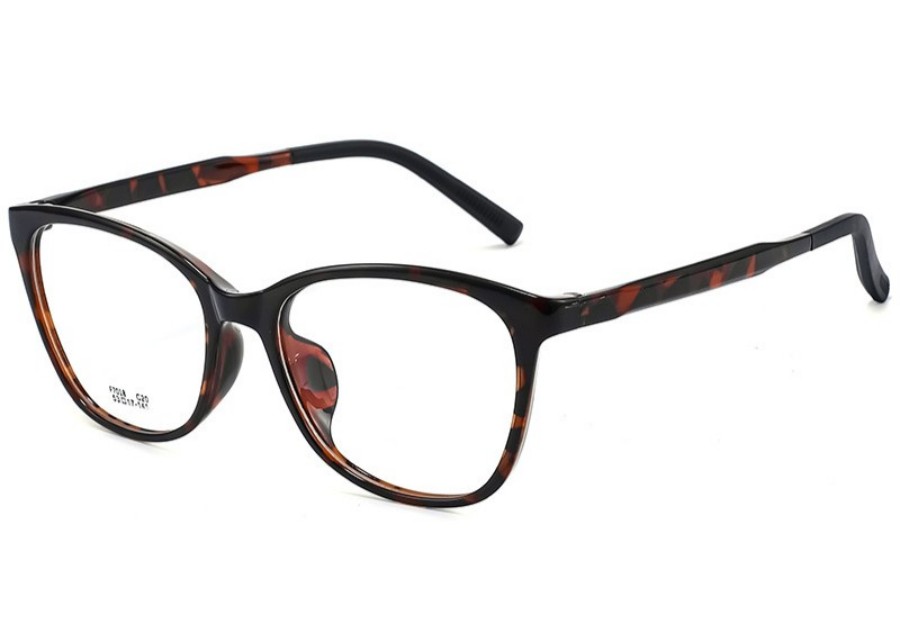
TR90 has become the material of choice for sports, performance, and children’s eyewear for a reason. Unlike acetate, TR90 frames are produced through injection molding. While this requires an initial investment in a mold, it allows for extremely efficient and consistent mass production, driving down the unit cost for large orders. Its properties solve key consumer pain points: the frames are so light they are barely noticeable, the flexibility provides a comfortable and secure fit during activity, and the resilience dramatically reduces the risk of breakage. For a brand, this means happier customers, fewer returns, and a strong product story centered on performance and reliability.
How does TR90’s flexibility impact production costs and design possibilities?
The use of injection molding for TR90 has significant business implications. The main upfront expense is the creation of a steel mold, which can be a considerable investment. However, once that mold is made, we can produce thousands of units very quickly and with high precision, making the per-unit cost much lower than CNC-milled acetate. This makes TR90 ideal for brands planning large-volume collections. From a design standpoint, its flexibility opens up new possibilities. We can engineer ultra-thin profiles and creative, screwless hinge mechanisms that snap into place, reducing assembly time and potential points of failure. This combination of cost-efficiency at scale and design innovation is a powerful advantage.
When should a brand choose TR90?
TR90 is the strategic choice in several specific scenarios. If your brand is in the sports and performance market, TR90’s durability, light weight, and secure fit are non-negotiable features. For children’s eyewear lines, its safety and near-unbreakability give parents peace of mind and reduce replacement costs. It’s also an excellent choice for fashion brands targeting a younger, price-conscious demographic that values bold colors and practical, everyday comfort. Finally, for large retail chains or e-commerce brands that require high volumes of a consistent, quality product at a competitive price point, TR90’s efficient manufacturing process is the perfect solution.
Titanium: Is It the Ultimate Material for Luxury and Hypoallergenic Frames?
You’re aiming for the premium or luxury market and need a material that screams quality, technology, and comfort. Your customers are discerning and demand the best, including solutions for sensitive skin.
Yes, titanium is widely considered the ultimate material for high-end eyewear. It offers an unparalleled combination of being incredibly strong, feather-light, and completely corrosion-proof and hypoallergenic, making it the peak of performance and luxury.
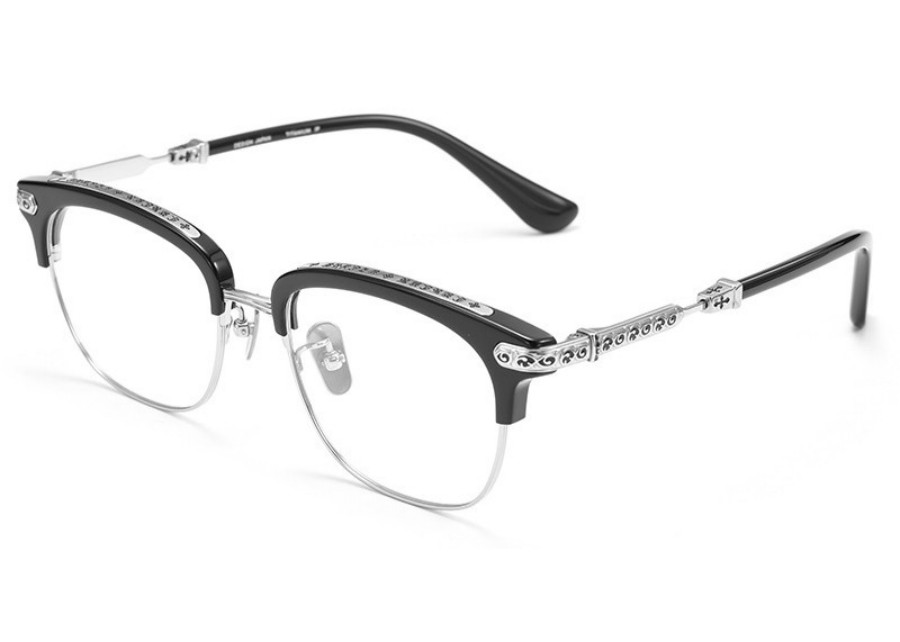
When a customer picks up a titanium frame, the difference is immediate. The shocking lack of weight combined with the cold, solid feel of the metal creates a powerful impression of quality. This material allows us to create some of the thinnest and strongest frames possible. From a manufacturing standpoint, working with titanium requires specialized equipment and expertise, particularly for welding and finishing, which justifies its premium price tag. For brands targeting the luxury, business, or tech-savvy consumer, titanium isn’t just a material; it’s a statement. It tells a story of cutting-edge engineering, minimalist design, and uncompromising comfort, making it a sound investment for building a top-tier brand.
What’s the difference between pure titanium and beta-titanium from a manufacturer’s view?
This is a technical distinction we navigate with our partners to optimize their product.
- Pure Titanium: This is over 99% pure titanium. Its main advantages are being the most lightweight and completely hypoallergenic. However, it’s relatively soft and less flexible, making it ideal for frame fronts or parts that need rigidity and stability.
- Beta-Titanium: This is a titanium alloy, typically mixed with small amounts of materials like aluminum or vanadium. This alloy makes the metal significantly more flexible and springy than pure titanium. It’s the perfect choice for ultra-slim, flexible temples that provide a comfortable, pressure-free fit.
As your manufacturing partner, we often recommend a hybrid approach: using pure titanium for the frame chassis to ensure stability and beta-titanium for the temples to maximize comfort and flexibility.
How does VISO ensure quality control for titanium welding and finishing?
Quality control for titanium is a multi-stage, precision-driven process. The joints are the most critical point. We use high-precision laser welding technology, which creates a bond that is incredibly strong, clean, and barely visible, unlike traditional soldering that can be bulky and weak. For finishing, we rely on advanced Ion Plating (IP). This is a vacuum coating process that is far superior to standard water plating. IP finishing is more durable, scratch-resistant, and environmentally friendly. It also ensures the color is deeply bonded to the metal, preventing fading and ensuring the hypoallergenic properties are maintained. Every batch undergoes rigorous testing, including tensile strength tests on weld points and salt spray tests to guarantee the plating’s corrosion resistance, ensuring compliance with all international standards.
Stainless Steel & Aluminum: How Do They Offer a Balance of Style and Affordability?
You want to offer a metal collection with a modern, sleek look, but the cost of titanium is outside your budget. You need a reliable, stylish alternative that still delivers quality and value.
Stainless steel and aluminum are excellent materials that provide a high-end metallic aesthetic at a more accessible price point. They offer a great balance of durability, style, and cost-effectiveness for mid-market and contemporary brands.
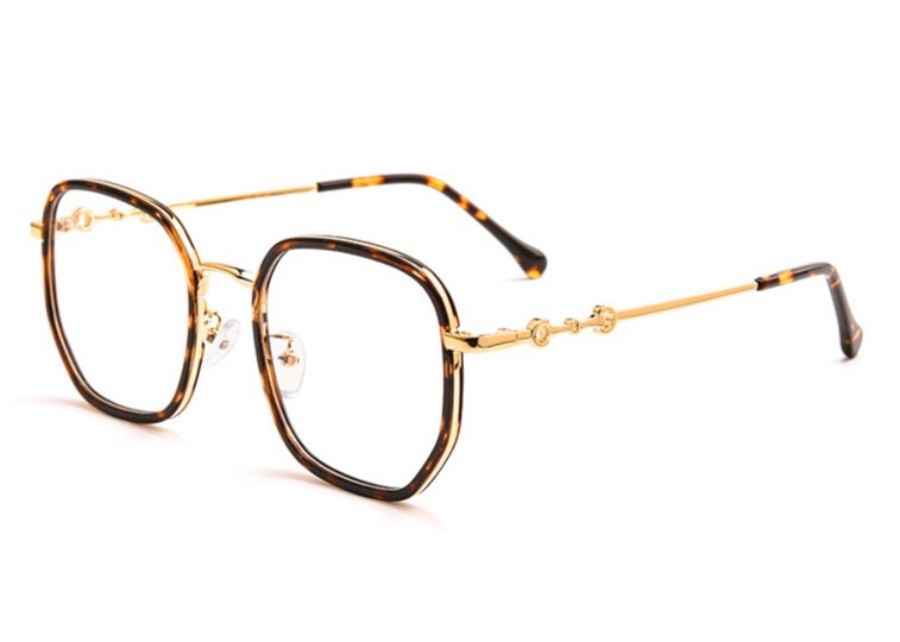
Stainless steel is a workhorse material in our factory. It’s strong, corrosion-resistant, and can be made into very thin and light profiles, offering a look that is very close to titanium for a fraction of the cost. Aluminum is even lighter than stainless steel and is fantastic for introducing vibrant, matte colors through a process called anodizing. While they may not have the ultimate performance specs of titanium, these materials are perfect for brands that want to capture a minimalist, industrial, or modern aesthetic without the luxury price tag. They are reliable, look great, and provide tremendous value, which is a winning combination in many market segments.
What are the design limitations of stainless steel compared to titanium?
The primary difference comes from the manufacturing process. Most of our stainless steel frames are created by laser-cutting flat sheets of metal, which are then bent and welded into shape. This process is highly efficient and perfect for creating clean, minimalist, two-dimensional designs. However, it offers less freedom for creating complex, three-dimensional curves and shapes compared to titanium, which can be milled using CNC machines. Additionally, to achieve the same level of strength, a stainless steel component will be slightly thicker and heavier than its titanium counterpart. We advise our partners that stainless steel is the ideal choice for achieving a modern metal look with a focus on clean lines and cost-efficiency.
How can custom colors and finishes be applied to metal frames?
We offer a wide range of finishing options to bring your metal frame designs to life.
- IP Plating: Just like with titanium, this advanced vacuum plating process can be used on stainless steel to create durable, high-end metallic finishes like gold, gunmetal, and rose gold.
- Powder Coating / Spray Painting: This is a versatile and cost-effective method to apply a huge spectrum of opaque colors, from classic matte black to bright, bold hues. It creates a durable, even finish.
- Anodizing: This process is specific to aluminum. It’s an electrochemical process that creates a hard, decorative, and corrosion-resistant oxide layer on the surface. It’s known for producing unique, vibrant metallic colors.
- Enamel Filling: For adding small details of color, we can precisely fill engraved areas of the frame with colored enamel, creating a subtle, high-end decorative touch.
A Quick Comparison Chart: Matching Materials to Your Business Goals
Here is a quick-reference chart to help you align material properties with your core business objectives. This is the kind of strategic overview we use to guide our partners in their decision-making process.
| Feature | Acetate | TR90 | Titanium | Stainless Steel |
|---|---|---|---|---|
| Market Position | High-End, Designer |
Sport, Kids, Value Fashion |
Luxury, Business, Tech |
Mid-Market, Modern |
| Manufacturing Process |
CNC Milling, Hand Polishing |
Injection Molding |
CNC Milling, Laser Welding |
Laser Cutting, Stamping |
| Mold Cost | Low / None | High | Medium | Low |
| Unit Cost (Volume) |
High | Low | Highest | Medium |
| Design Freedom | Very High (Color) |
High (Flexibility) |
High (Thinness) |
Medium (2D Lines) |
| Weight | Medium | Lightest | Very Light | Heavy |
| Best For | Premium OEM/ODM |
High-volume OEM/ODM |
Top-tier halo products |
Cost-effective metal styles |
3 Key Questions to Ask Before Finalizing Your Frame Material
Choosing a material goes beyond a technical spec sheet. It’s about building a successful product. Before you make a final decision, we always encourage our partners to step back and answer three strategic questions.
Making the right choice requires a blend of market insight, financial planning, and brand vision. These questions will help you clarify your goals and ensure the material you choose is not just a component, but a cornerstone of your product’s success. We’ve seen firsthand how brands that answer these questions clearly from the start are able to build more cohesive and profitable collections. This is the strategic thinking that turns a good design into a bestselling product.
Who is your target customer and what do they value most?
Is your customer a fashion enthusiast who values unique designs and the story of craftsmanship? Acetate is a perfect fit. Are they an athlete or a busy parent who prioritizes durability, comfort, and performance above all else? TR90 will meet their needs perfectly. Or are they a discerning professional who appreciates understated luxury, cutting-edge technology, and hypoallergenic comfort? Titanium is their answer. Understanding the core values of your end-user is the most important step in material selection.
What is your brand’s price point and desired profit margin?
Be realistic about your financial goals. The raw material and manufacturing complexity directly influence your cost of goods sold (COGS). A titanium frame has a high production cost but can support a luxury retail price and a healthy margin. A stainless steel frame has a moderate cost, fitting well into the mid-tier market. A TR90 frame, produced in high volume, has a low unit cost, allowing for competitive pricing or higher margins in the value segment. Your material choice must align with your business model.
What story do you want your product to tell?
Your product is a physical piece of your brand’s story. Do you want to tell a story of Italian heritage and artisanal quality? Choose acetate. A story of innovation, performance, and resilience? Choose TR90. A story of minimalist design, advanced engineering, and quiet luxury? Choose titanium. The material itself is a powerful, non-verbal communication tool that instantly conveys your brand’s identity to the customer. Make sure it’s telling the right story.
How Our One-Stop Manufacturing Service Simplifies Your Material Sourcing?
Finding the right material is one thing. Managing the complex supply chain to produce it is another. Brands often struggle with sourcing acetate from one country, hinges from another, and lenses from a third.
Our one-stop manufacturing service eliminates this complexity. We manage the entire vertically integrated supply chain, from raw material sourcing and quality control to final assembly and packaging, all under one roof.
When you partner with VISO, you are not just hiring a factory; you are gaining a strategic manufacturing ally. You don’t need to become an expert in global logistics or raw material procurement. We handle it for you. Our team consults with you to select the optimal material based on your design, budget, and brand goals. Because we control the entire process, we guarantee that the quality of the raw materials translates perfectly into the finished product. This integration ensures consistent quality, faster lead times, and streamlined communication, allowing you to focus on what you do best: building your brand.
Ready to Create Your Next Bestselling Eyewear Collection?
You now have a manufacturer’s understanding of the key eyewear materials. The next step is to apply this knowledge to your specific brand vision and create a product that stands out in the market.
Let’s turn your ideas into a tangible, high-quality product. Our team of material specialists and production experts is ready to help you navigate the options and build your next bestselling collection.
Don’t let material selection be a roadblock to your success. Whether you’re developing a premium acetate line, a durable TR90 sports collection, or a luxury titanium range, we have the expertise and the integrated supply chain to make it happen. We are passionate about crafting exceptional eyewear that defines style and builds brand loyalty for our clients. Contact us today for a free, no-obligation consultation. We look forward to partnering with you to bring your vision to life.
Conclusion
Choosing the right frame material is a foundational business decision. By aligning your material with your target customer, price point, and brand story, you create a successful and profitable eyewear collection.